
Quantum Computing
Quantum computing’s distinct power exploits properties unavailable to classical computers. Once fully developed, quantum computers will be able to leverage those properties to efficiently solve scientific and technological problems that are impossible even for today’s most powerful supercomputers. Researchers are working to design hardware and software that will help make these advantages of quantum computing possible.
Image

Image
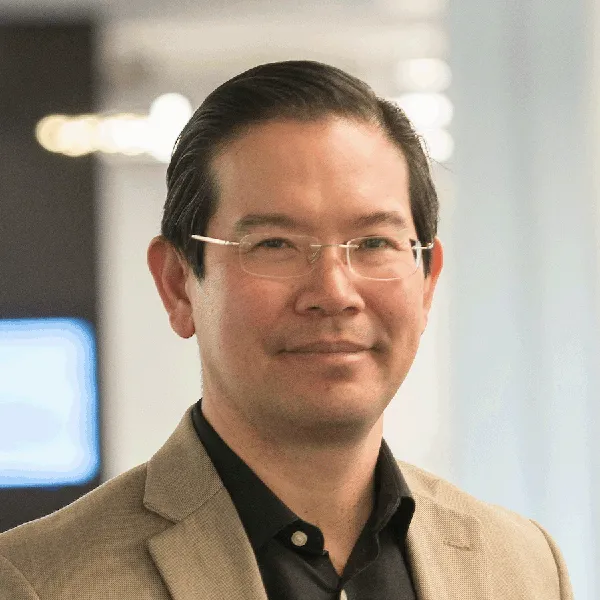
Frederic Chong
Seymour Goodman Professor, Department of Computer Science in the Physical Sciences Division
Research Areas
Quantum ComputingImage

Andrew Cleland
John A. MacLean Sr. Professor of Molecular Engineering Innovation and Enterprise in the UChicago Pritzker School of Molecular Engineering; Director, Pritzker Nanofabrication Facility
Research Areas
Quantum Computing, Quantum Communication, Quantum SensingImage
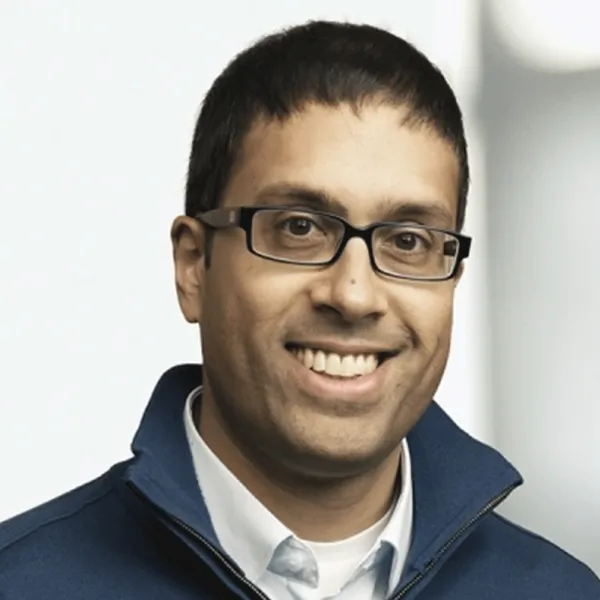
Aashish Clerk
Professor of Molecular Engineering in the UChicago Pritzker School of Molecular Engineering
Research Areas
Theoretical Quantum Condensed Matter Physics, Quantum Optics, Engineered Quantum Systems, Quantum InformationImage

Jacob P. Covey
Associate Professor of Molecular Engineering in the UChicago Pritzker School of Molecular Engineering
Research Areas
Atomic Physics, Optical Physics, Molecular Physics, Fundamental Physics, Metrology, Device EngineeringImage

William Fefferman
Associate Professor, Department of Computer Science in the Physical Sciences Division
Research Areas
Quantum Computing, Quantum Complexity TheoryImage

Andrew Higginbotham
Assistant Professor, Department of Physics in the Physical Sciences Division
Research Areas
Condensed Matter Physics, Quantum Information, Quantum Computing, Quantum Materials, NanomechanicsImage

Liang Jiang
Professor of Molecular Engineering in the UChicago Pritzker School of Molecular Engineering
Research Areas
Quantum Communication, Quantum Computing, Quantum Sensing, Quantum Simulation, Quantum Control, Quantum Error CorrectionImage
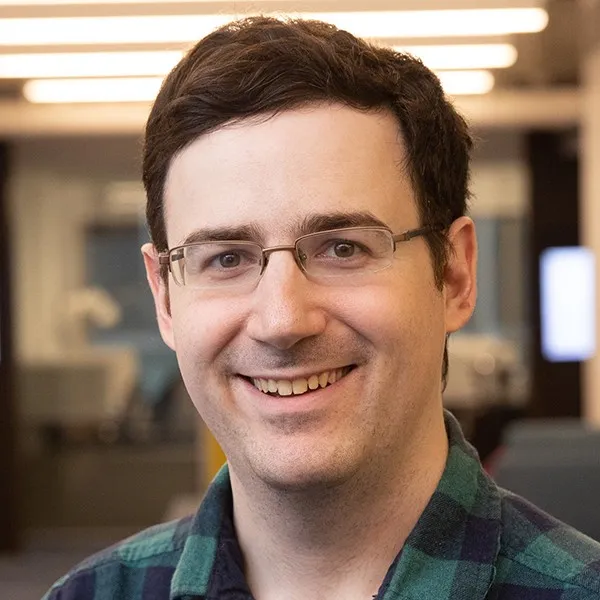
Robert Rand
Assistant Professor of Computer Science in the Physical Sciences Division
Research Areas
Quantum Computing, Quantum Software, Error Correction, Quantum NetworksImage
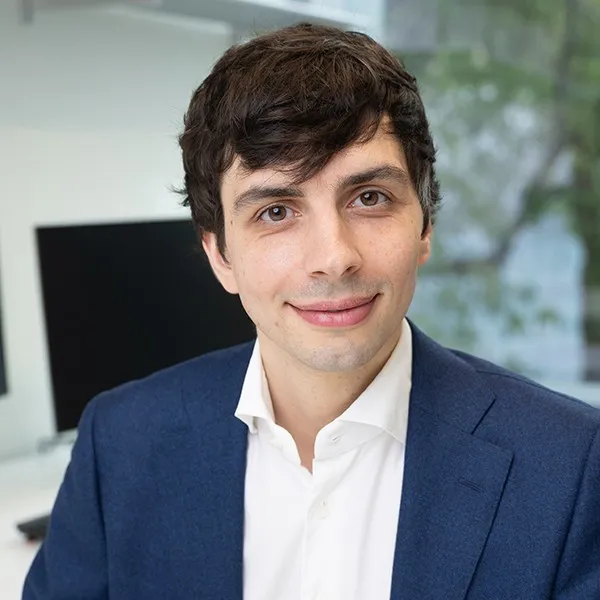
Ruben Verresen
Assistant Professor of Molecular Engineering in the UChicago Pritzker School of Molecular Engineering
Research Areas
Condensed Matter Physics, Quantum Information, Topological Physics, Quantum Simulation, Engineered Quantum Systems